


The Kaliningrad Case
By: Giorgio Provinciali
Live from Ukraine ??
In recent days, Russian propaganda megaphones havespreadthe false news that NATO is preparing an attack on Kaliningrad, claiming that the Russian military is preparing an appropriate response.
This has been taken as a threat by several European countries, which, like Germany and Poland,believethat the Russian Federation could launch an attack on the heart of Europe within months, not years, as initially expected.
Presenting Russias military posture there as a merely defensive response to Western aggression is a familiar pattern for Moscow, which first militarizes a space, then describes the predictable anxiety it generates as proof of an enemy plot.
Kaliningrad is the most revealing contradiction inside the mythology of therusskij mir.The exclave has been Russian for roughly the same historical span as Crimea has been Ukrainian. Crimea was transferred from the Russian SFSR to the Ukrainian SSR in 1954 under Soviet authority. Knigsberg, by contrast, came under Soviet sovereignty after World War II and was renamed Kaliningrad in 1946, after centuries as the Prussian and German city of Knigsberg.
Founded in 1255 around a fortress of the Teutonic Knights, Knigsberg became one of the central cities of Prussia. It was the capital of East Prussia, a Baltic port, a German cultural center, and the birthplace of Immanuel Kant. Its university, the Collegium Albertinum, was founded in 1544.For centuries, the city belonged not to the Russian historical space but to the German, Prussian, and Baltic one.
After World War II, the city and the surrounding northern part of East Prussia wereceded to the Soviet Union under the Potsdam framework.The old German population was expelled, the city was rebuilt as Kaliningrad, andthe Soviet regime imposed a new identity on a place whose previous history had been almost entirely erased.
This is not a marginal detail. It is the very point: the Kremlins territorial rhetoric never applies a principle consistently. It applies only power.
By Putins own pseudo-historical logic, Kaliningrad would be far more vulnerable to revisionist arguments than Crimea.
Yet Germany has no legal claim to Kaliningrad, and this must be stated clearly. The 1990 Treaty on the Final Settlement with Respect to Germanyestablishedthe definitive borders of the united Germany and stated that Germany had no territorial claims whatsoever against other states and would assert none in the future.
The argument, therefore, is not that Germany should claim Kaliningrad. The argument is sharper:if Moscows logic were applied symmetrically, Kaliningrad would expose the absurdity of the very reasoning used to justify the annexation of Crimea.
Russia does not defend historical rights. It manufactures historical alibis.
This is why the recent propaganda around Kaliningrad matters. Moscow presents the exclave as a besieged fortress, surrounded by NATO and threatened by Western aggression. Butfor years, Kaliningrad has been one of Russias most forward strategic platforms inside Europe.It is a launch pad embedded between Poland and Lithuania, projected into the Baltic and pointed toward the heart of the continent.
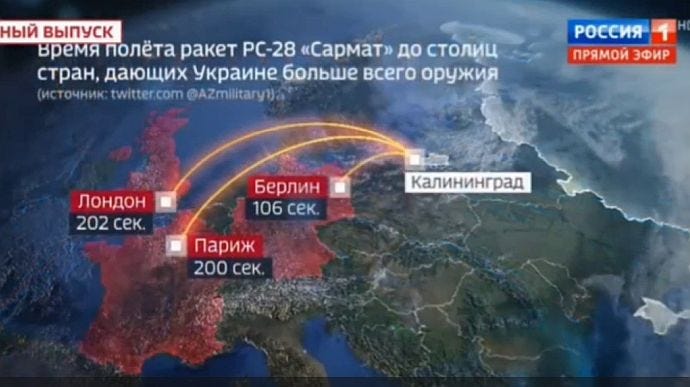
Russian state television made that logic explicit as early as 2022, when Russia 1displayeda graphic claiming thatmissiles launched from Kaliningrad could reach Berlin in 106 seconds, Paris in 200, and London in 202.
The point of that broadcast was nothing more than intimidation. It was a public rehearsal of nuclear terror against European societies supporting Ukraine.
That is the real Kaliningrad paradox.The Kremlin accuses NATO of preparing aggression against the exclave while using the exclave as a permanent instrument of coercion against NATO. It denounces encirclement while placing nuclear-capable systems at the center of Europes strategic nervous system.
It invokes vulnerability while cultivating menace.
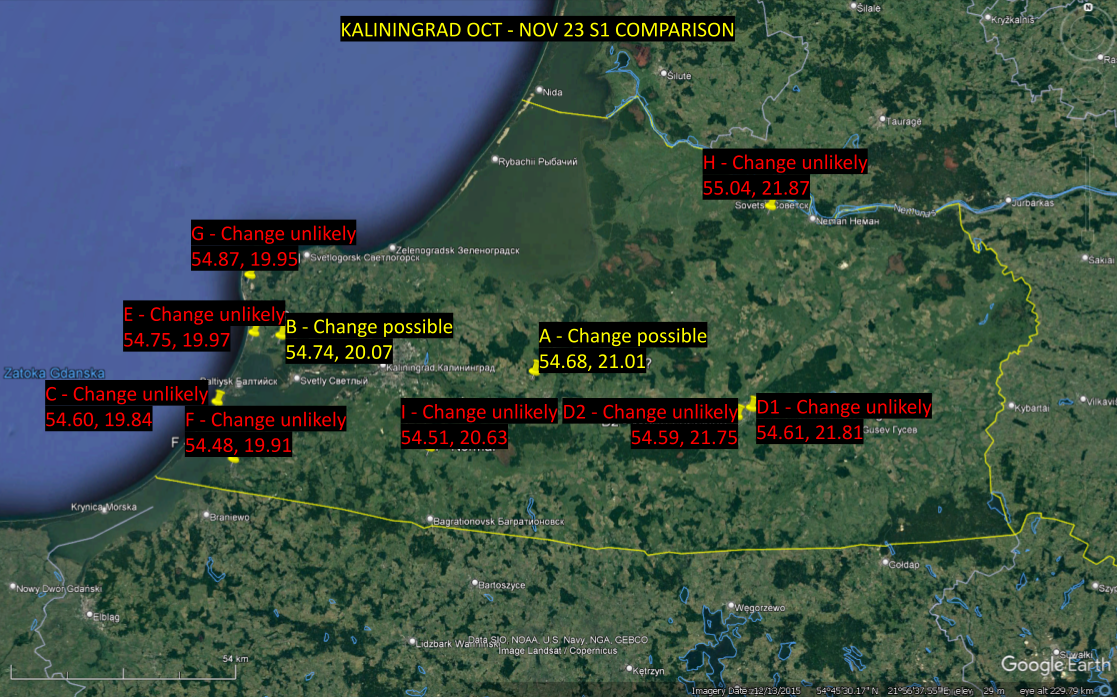
This vulnerability, however, is no longer theoretical. In November 2023, open-source analysts recorded exceptional Russian military cargo traffic involving Kaliningrad. Bellingcat thenidentifiedchanges in satellite imagery at air-defense sites in the region, indicating that at least some S-400 batteries had been moved away from their positions. UK Defense Intelligenceassessedthat Russia had likely transferred strategic air-defense assets from Kaliningrad to compensate for losses in Ukraine.
That movement was more than a logistical episode. If Moscow was willing to thin out one of its most exposed and politically sensitive regions, it means the pressure created by Ukraine had already reached deep into Russias strategic reserve.
Kaliningrad was not being reinforced as an impregnable fortress. It was being cannibalized.
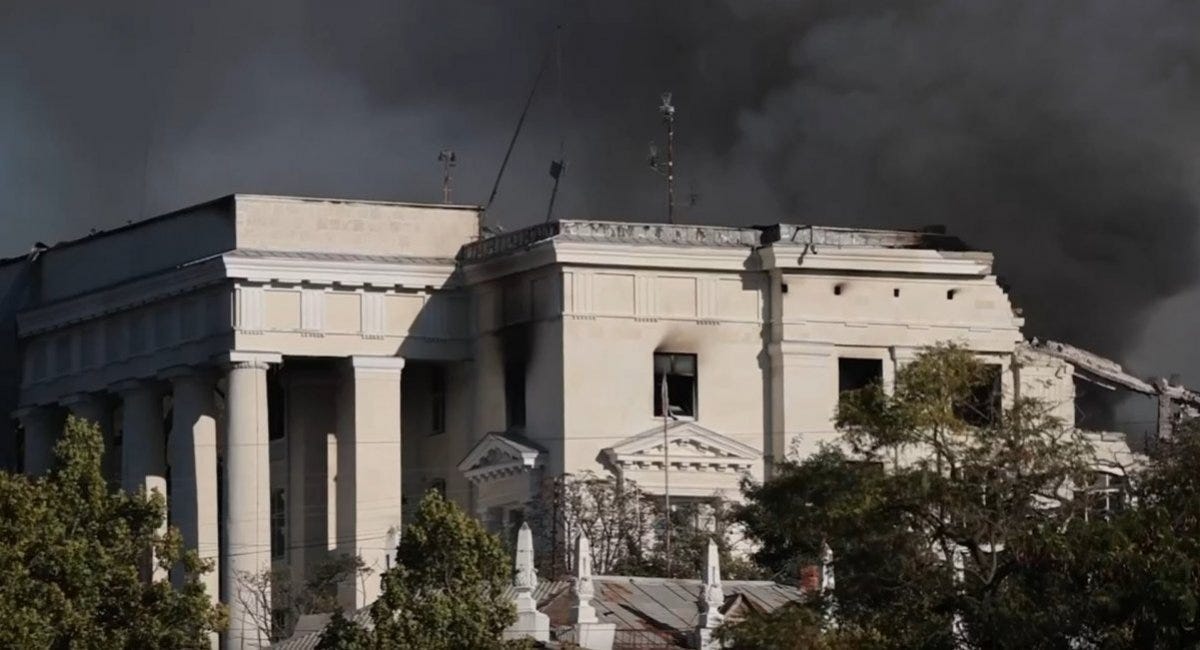
The reason is visible across the entire war. Ukrainian strikes have destroyed or degraded Russian air-defense systems in Crimea, including S-400 components, and helped push the Black Sea Fleet away from its old sanctuary in Sevastopol.Russia no longer dominates the Black Sea as it once did. Ukraine opened and defended its own maritime corridor without accepting Moscows grain blackmail, while Russian naval launches from the Black Sea have become far rarer than in the earlier stages of the invasion.
This leads to the larger strategic lesson.The Russian military machine is dangerous, but it is not infinite. Its air-defense blanket is short. Its most advanced systems must be shifted from one emergency to another. Every S-400 battery pulled from Kaliningrad to cover losses elsewhere is a material confession that Ukrainian long-range strike, drone warfare, and intelligence-driven targeting have changed the geometry of Russian defense.
The same applies to NATO. The war in Ukraine has already become the worlds most important air-defense laboratory. Patriot, IRIS-T, SAMP/T, NASAMS, Gepard, Hawk, and Avenger have not merely defended Ukrainian cities. They have generated combat data against ballistic missiles, cruise missiles, Shahed-type drones, glide-bomb launch profiles, electronic warfare saturation, and mixed attack packages.Ukrainian engineers and air-defense crews have forced Western systems to evolve under conditions no test range could reproduce.
Germany has understood this enough to invite Ukrainian instructors to train its army. Reutersreportedthat Ukrainian trainers will help Germany prepare for possible defense against Russia by 2029, withGerman officers explicitly valuing Ukraine as the only military in the world with frontline experience against Russia.
This reverses the old hierarchy.For years, the West trained Ukraine. Now, Ukraine is training the West.Ukraine has learned how Russian systems actually fail, how their drones saturate, how their missiles are sequenced, how their electronic warfare adapts, how their air defense creates gaps, and how those gaps can be exploited.
The Oreshnik missile adds a further layer to this problem. Russia firstusedthe intermediate-range hypersonic ballistic missile against Dnipro in November 2024, and Reutersreportedthat Ukraine studied the debris to understand its supply chain, design, and possible countermeasures. Russia claimed the missile was impossible to intercept; Western experts treated that claim with caution, and Reuters laterreportedthat the weapons impact was limited when fitted with dummy warheads.
The point is not that Oreshnik can be dismissed. The point is the opposite: it must be studied exactly as Ukraine is studying it.Every Russian wonder weapon becomes less mythical once fragments of it are lying on a Ukrainian floor, measured by engineers who have already helped turn Western air-defense systems from catalog weapons into combat-adapted shields.
Recent events only strengthen this conclusion. NATO aircraftinterceptedRussian strategic bombers and fighters over the Baltic Sea on April 20, 2026, with French Rafales operating from Lithuania alongside aircraft from Sweden, Finland, Poland, Denmark, and Romania. The Russian formation included Tu-22M3 bombers and Su-30/Su-35 fighters. Lithuania alsoreportedmultiple NATO scrambles during the same period to intercept Russian aircraft that violated standard flight protocols, including flights without transponders or flight plans.
At the same time, Russia hasabandonedits self-imposed moratorium on intermediate-range missiles, specifically citing planned U.S. deployments in Germany. Such weapons are particularly destabilizing because of their reduced flight times and the compression they impose on political decision-making during a crisis.

This is whyKaliningrad cannot be read as an isolated exclave.It is part of a wider Russian architecture of pressure: nuclear rhetoric, intermediate-range missiles, Baltic air incidents, electronic warfare, sabotage risk, propaganda about NATO aggression, and mass strikes against Ukrainian cities designed to exhaust both Ukraine and its partners.
Even in the last hours, Russia has continued to demonstrate the same pattern. Dnipro was hit in waves lasting more than 20 hours, while Ukraines air force said Russia deployed 619 drones and 47 missiles overnight, of which Ukrainian forces downed 580 drones and 30 missiles. That ratio does not erase the dead. It proves the strategic point:
Russia is escalating mass terror, while Ukraine is building the air-defense experience Europe itself will need.
Kaliningrad is therefore not proof that NATO is preparing for aggression. It is proof that Moscow has built its European posture on projection. Russia militarizes, then accuses others of militarism. It threatens European capitals, then claims to be threatened by Europe. It deploys nuclear-capable systems forward, then calls deterrence an act of provocation.
The European answer cannot be panic, appeasement, or rhetorical symmetry, but rather a strategic absorption of the Ukrainian lesson. Air defense must become layered, distributed, and European. Missile defense must integrate Ukrainian battlefield feedback. NATOs eastern flank must be treated not as a line on a map but as a living system of sensors, interceptors, electronic warfare, drones, mobility, redundancy, and political will.
Kaliningrad remains dangerous because Russia made it dangerous. But Ukraine has shown that even Russias most guarded systems can be found, mapped, jammed, deceived, exhausted, and destroyed.The myth of the impregnable Russian fortress has already crackedin Crimea, in the Black Sea, in Belgorod, in Rostov, and inside the very air-defense network Moscow once advertised as untouchable.
The final lesson is simple. The Kremlin says NATO is preparing to attack Kaliningrad because it needs Europeans to look at their own defensive preparations as an escalation. But the real escalation has come from Russia for years: against Ukraine, against Europes energy security, against civilian infrastructure, against the Baltic airspace environment, and against the nuclear stability of the continent.
Kaliningrad is not the center of a NATO plot. It is the exposed nerve of a Russian system that has spent decades mistaking intimidation for strategy. Ukraine has already proved that this system can be studied, penetrated, and defeated.Europes task now is to learn quickly enough.
In 1.523 days of war,we recorded over 250 videos from ground zero and wrote more than 1,500 articles.
We are doing our best to provide genuine, first-hand reports from zones where almost no press dares to go. This means living in a kill zone constantly. We take the risk, but without your invaluable support, our voices would remain unheard and silent. Without brave people sharing our articles from afar, they would remain unread. Our reports would go unseen, and our efforts would be lost. Theres still a lot of work to do here, as the people around us are also in no better situation.
Were renewing ourfundraising campaignand thanking everyone who joins us in helping to restore what Russia is destroying. Moving forward with only a small reimbursement for each article from a brave newspaper that believes in us is extremely challenging. Thats why we are grateful to all the kind people who support us and trust in our mission.
Even a small donation helps.
Well keep you updated on developments.
Thank you all, dear friends ??
加里宁格勒案例
作者:Giorgio Provinciali
翻译:旺财球球
乌克兰前线报道??
近些天,俄方宣传喉舌散播了北约正准备对加里宁格勒发动攻击的虚假消息,并声称俄军正在准备相应的反制措施。
若干欧洲国家把这视为威胁,像德国和波兰等国认为,俄联邦可能在数月内而非最初预计的数年后向欧洲腹地发动攻击。
把俄罗斯在当地的军事姿态描述为对西方侵略的纯防御性回应,是莫斯科惯用的叙事模式:先将某一空间军事化,然后把由此产生的可预见的恐慌解释为敌对阴谋的证据。
(视频:Alla和我在壕沟里拍摄了这些画面,那儿是乌克兰为所谓自由世界防守了1500天的地方版权所有,Giorgos Poulis)
加里宁格勒是俄罗斯世界神话中最具揭示性矛盾所在。这个飞地成为俄罗斯领土的时间,大致相当于克里米亚曾属于乌克兰的时间。克里米亚在1954年由苏联当局将其从俄罗斯苏维埃联邦社会主义共和国划归乌克兰苏维埃社会主义共和国。而柯尼斯堡则相反,是在二战后划归苏联,并在1946年改名为加里宁格勒,此前几个世纪一直是普鲁士和德国的城市柯尼斯堡。
(图:柯尼斯堡今加里宁格勒图片来源:iStock)
柯尼斯堡始建于1255年,围绕条顿骑士的一个堡垒兴起,成为普鲁士的中心城市之一。它曾是东普鲁士的首府、波罗的海港口、德国文化中心,也是伊曼努尔康德的故乡。其大学阿尔伯蒂努姆学院建于1544年。几个世纪以来,该城并不属于俄罗斯历史空间,而属于德意志、普鲁士与波罗的海的历史范畴。
二战后,根据波茨坦框架,该城及东普鲁士北部地区被划归给苏联。原德国居民被驱逐,城市被重建为加里宁格勒,苏维埃政权强行赋予该地一个新的身份,其先前历史几乎被完全抹去。
这并非边缘细节,而是问题的核心:克里姆林宫的领土叙事从不遵循一致原则,它遵循的只有权力。
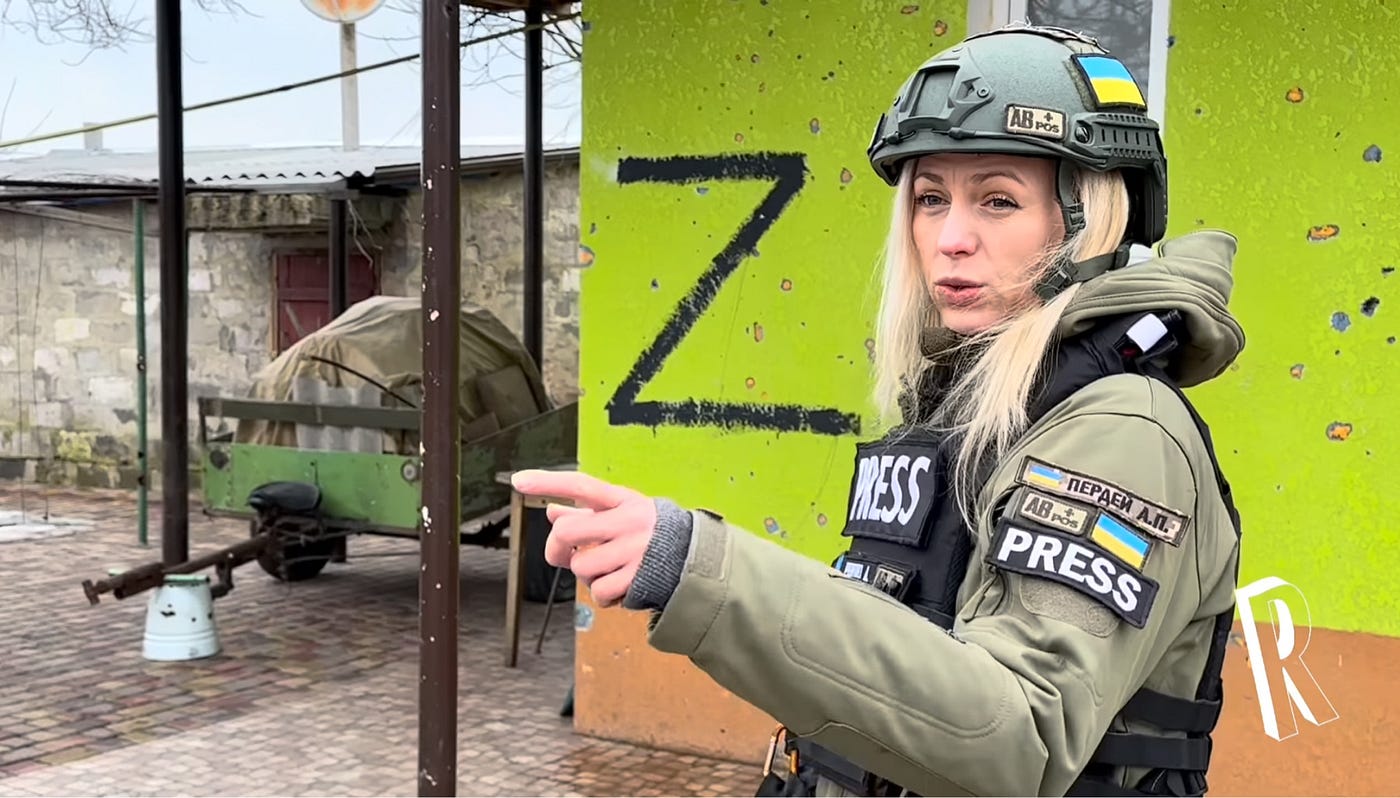
(图:Alla和我在乌克兰顿巴斯的一个从俄军手中解放出来的乌克兰村庄报道版权所有,Giorgio Provinciali)
按普京自身的伪历史逻辑,加里宁格勒比克里米亚更容易被修正主义论调所攻击。
尽管如此,必须明确说明:德国对加里宁格勒没有法律主张。1990年《最终解决德国问题条约》确认了德国统一后的最终边界,并明确德国对其他国家没有领土主张,未来也不会提出。
因此,论点并不是德国应当对加里宁格勒提出主张。论点更尖锐:若将莫斯科的逻辑被对称套用,加里宁格勒将暴露出用来为吞并克里米亚辩护的逻辑的荒谬性。
俄罗斯并非在捍卫历史权利,它在制造历史借口。
这就是近期围绕加里宁格勒的宣传值得关注的原因。莫斯科将这个飞地呈现为被北约包围、受到西方侵略威胁的受围困要塞。但多年来,加里宁格勒一直是俄罗斯在欧洲最前沿的战略平台之一。它是嵌在波兰与立陶宛之间、伸入波罗的海并直指欧洲腹地的发射台。
(视频:Alla和我在乌克兰利乌波米里夫卡拍摄了这些影像版权所有,Giorgio Provinciali)
早在2022年,俄罗斯国家电视台就明确表达了这一逻辑,俄罗斯一频道曾播出一张图表,称从加里宁格勒发射的导弹可在106秒内到达柏林、200秒到达巴黎、202秒到达伦敦。
那个节目的目的无非是恐吓:对支持乌克兰的欧洲社会进行核威慑的公开演练。
这正是加里宁格勒的悖论所在。克里姆林宫指责北约准备对该飞地发动侵略,同时却把该飞地作为对北约持续施压的工具。它一边控诉被包围,一边将具备核能力的系统部署在欧洲战略核心。
它一边宣称脆弱,一边培植威胁。
然而,这种脆弱不再是理论上的。2023年11月,开源分析人员记录到涉及加里宁格勒的异常俄军军用物资调动。Bellingcat随后在卫星影像中发现该地区防空阵地的变化,表明至少部分S-400电池已被移离原位。英国国防情报评估认为,俄罗斯很可能已将战略防空资产从加里宁格勒调走以弥补在乌克兰的损失。
(图:来自Russia 1的截图图片来源:Ukrainska Pravda)
那次调动不仅是一次后勤事件。如果莫斯科愿意削弱其最暴露、政治敏感的地区之一,就意味着乌克兰造成的压力已经深入触及俄罗斯的战略储备。
加里宁格勒并非被补强为固若金汤的要塞,而是在被掠食。
原因在整个战争中都可见端倪。乌克兰的打击已摧毁或削弱了克里米亚的俄方防空系统,包括S-400组件,并迫使黑海舰队远离其在塞瓦斯托波尔的老庇护所。俄罗斯已不再如从前那般掌控黑海。乌克兰在不屈从于莫斯科粮食勒索的前提下开辟并保卫了自己的海上通道;与此同时,俄罗斯从黑海发射的海上攻击比入侵早期罕见得多。
由此得出更大的战略教训:俄罗斯的军事机器危险但并非无限。其防空体系存在短板。最先进的系统必须在不同紧急事态间调动。每一次从加里宁格勒把S-400电池调往其他战区,就意味着一个事实:乌克兰的远程打击、无人机战争与情报驱动目标选择已经改变了俄防御体系的结构。
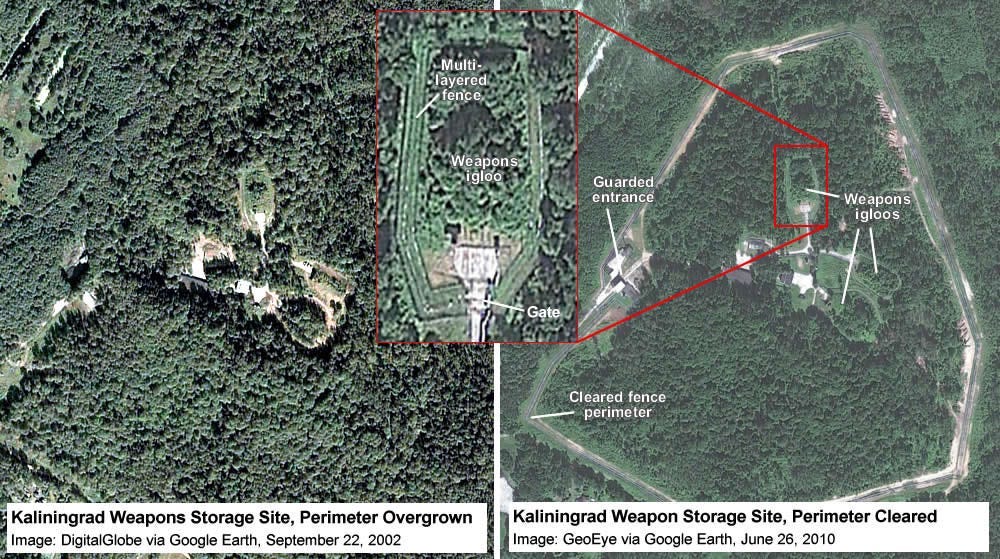
(图:加里宁格勒区一处埋藏核武器的储存掩体自2016年中起正在大规模翻修图片来源:美国科学家联合会)
(图:黄色标注显示俄方从加里宁格勒地区移走S-400系统的位置图片来源:Google Earth/Bellingcat)
同样的道理也适用于北约。乌克兰战争已成为世界上最重要的防空实验室。爱国者、IRIS-T、SAMP/T、NASAMS、Gepard、Hawk与Avenger不仅仅保卫了乌克兰城市;它们在对抗弹道导弹、巡航导弹、沙赫德类无人机、滑翔炸弹发射轨迹、电子战饱和与混合攻击方案方面产生了实战数据。乌克兰的工程师和防空部队在无法由任何试验场复现的情况下,迫使西方系统演进。
德国已充分认识到这一点,邀请乌克兰教官来训练其军队。路透社报道,乌克兰教官将帮助德国为可能在2029年前防御俄罗斯做准备,德国军官明确将乌克兰视为世界上唯一有对俄实战经验的军事力量。
这颠覆了过去的等级结构:多年来西方训练乌克兰,现在乌克兰在训练西方。乌克兰掌握了俄罗斯系统实际如何失败,它们的无人机如何饱和袭击、其导弹如何排序发射、其电子战如何调整、防空如何形成漏洞以及如何利用这些漏洞。
(图:9月22日中午左右,乌克兰国防军成功袭击了位于临时占领的塞瓦斯托波尔的俄罗斯黑海舰队总部图片来源:国防快报)
榛树导弹进一步增加了这一问题的复杂性。2024年11月,俄罗斯首次在对第聂伯的袭击中使用中程高超音速弹道导弹榛树,路透社报道乌方对残骸进行了研究以了解其供应链、设计与可能的对策。俄罗斯声称该导弹不可拦截;西方专家对此持谨慎态度,路透随后报道该武器在安装假弹头时的效果有限。
重点并非可否轻视榛树,而恰恰相反:必须像乌克兰研究它那样去研究每一种俄方神奇武器。一旦其碎片躺在乌克兰的地板上、被工程师研究,其神秘性就被迅速削弱,西方防空系统也在这些工程师的帮助下从目录式武器变为战斗适应的盾牌。
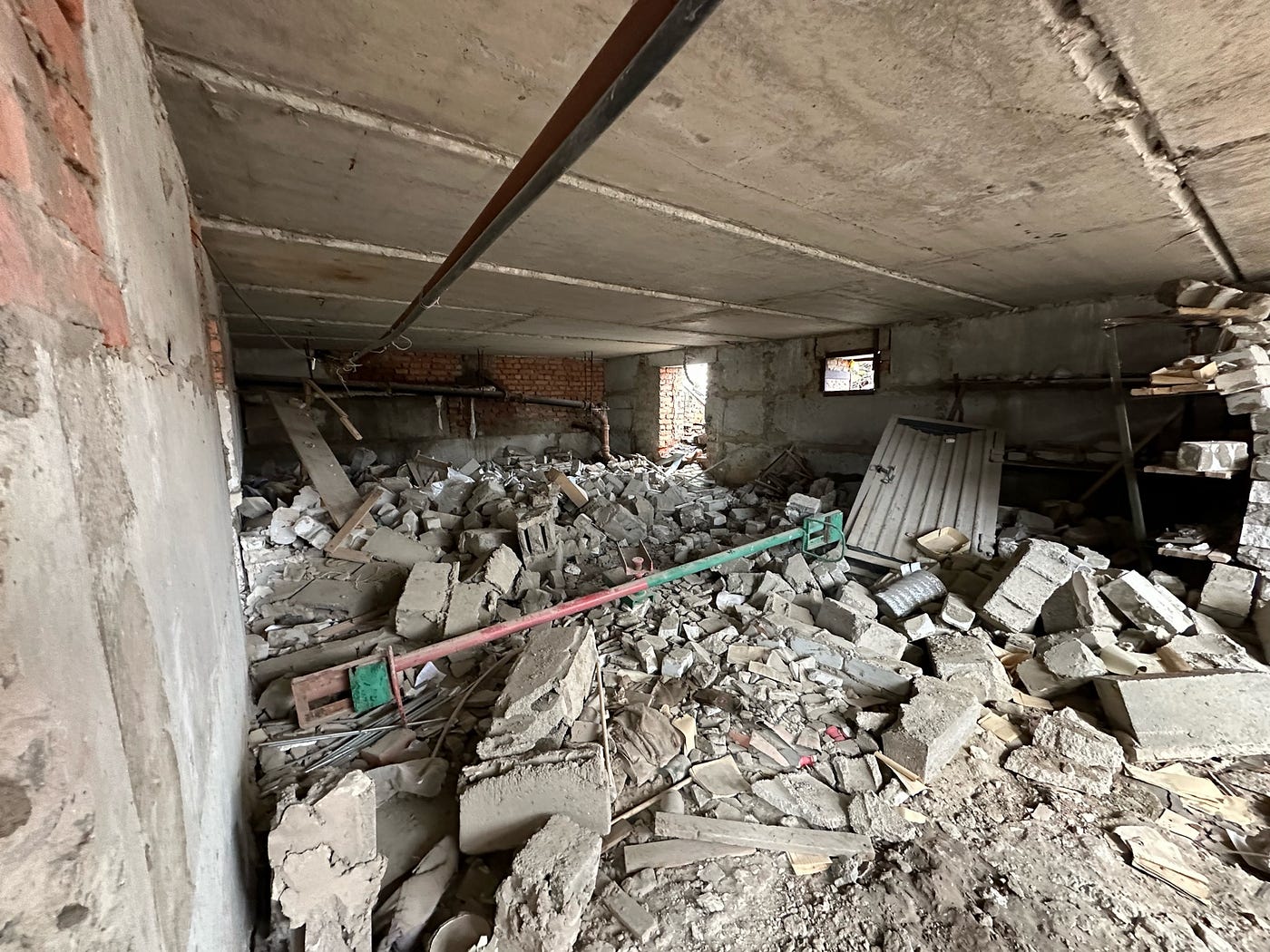
(图:Alla和我在乌克兰伊久姆的一次俄方袭击中在此处避难版权所有,Giorgio Provinciali)
近期事态进一步强化了这一结论。2026年4月20日,北约战机在波罗的海上空拦截了俄方战略轰炸机与战斗机,法国阵风从立陶宛出动,与瑞典、芬兰、波兰、丹麦和罗马尼亚的飞机协同行动。俄方编队包括Tu-22M3轰炸机及Su-30/Su-35战斗机。立陶宛还报告称同一时期北约多次紧急起飞拦截违反飞行常规的俄机,包括无应答器或航线的俄机。
与此同时,俄罗斯已放弃其对中程导弹自我设限的禁令,明确指责美国在德国的部署计划。此类武器因其更短的飞行时间和在危机中压缩政治决策时间而具有特殊的破坏性。
(图:Alla和我在乌克兰赫尔松报道版权所有,Giorgio Provinciali)
因此,加里宁格勒不能被视为孤立的飞地。它是俄罗斯更广泛施压架构的一部分:核威慑言论、中程导弹、波罗的海空域事件、电子战、破坏风险、关于北约侵略的宣传,以及对乌克兰城市的大规模打击,这些行动旨在耗尽乌克兰及其伙伴的针。
即便在最近数小时,俄罗斯仍在重复同一模式。第聂伯遭受了超过20小时的俄军多波袭击,乌克兰空军称俄方一夜之间发射了619架无人机与47枚导弹,其中乌方击落了580架无人机与30枚导弹。这个比率并不能抹去死亡,但证明了一个战略要点:俄罗斯在升级大规模恐怖打击,而乌克兰正在构建欧洲自身将需要的防空经验。
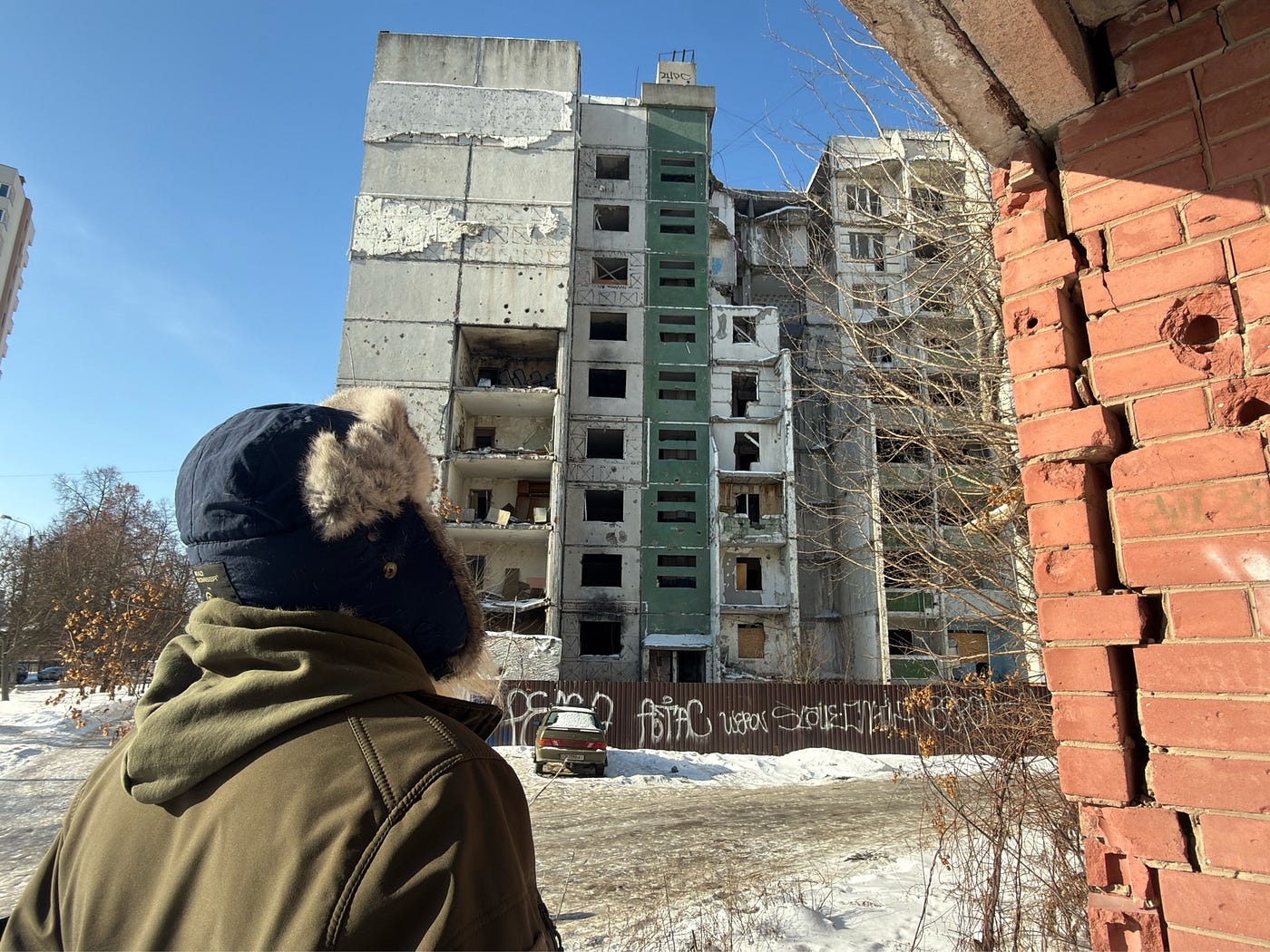
(图:Alla和我在切尔尼希夫中心遭俄军多枚导弹袭击之处报道版权所有,Giorgio Provinciali)
因此,加里宁格勒不是北约准备发动攻击的证据,而是莫斯科以投射式威慑为核心构建欧洲战略姿态的体现。俄罗斯先军事化,然后指责他国军事化;它威胁欧洲首都,然后声称自己受到欧洲威胁;它先部署核能力系统,然后称对方威慑行为为一种挑衅。
欧洲的回应不能是恐慌、绥靖或言辞上的对称,而应是对乌克兰教训的战略性吸收。防空必须变得分层、分布式并具有欧洲一体性。导弹防御必须整合来自乌克兰的战场反馈。北约东翼不应被视为地图上的一条线,而应被当作由传感器、拦截器、电子战、无人机、机动性、冗余与政治意志组成的有机体系来对待。
加里宁格勒依然危险,是因为俄罗斯使之危险。但乌克兰已证明,即便是俄罗斯最严密的系统也能被发现、定位、干扰、欺骗、消耗并摧毁。曾被莫斯科宣称为不可攻破的俄方金钟罩已在克里米亚、黑海、别尔哥罗德、罗斯托夫及其曾自诩无懈可击的防空网络中出现裂痕。
最后的教训很简单:克里姆林宫称北约在准备攻击加里宁格勒,是因为它需要欧洲人把自己的防御准备视为一次升级。但真正的升级多年来一直来自俄罗斯:针对乌克兰、针对欧洲能源安全、针对民用基础设施、针对波罗的海空域环境以及针对欧洲大陆的核稳定性。
加里宁格勒不是北约阴谋的中心。它是一个暴露的俄罗斯体系的神经,该体系数十年来误把恐吓当作战略。乌克兰已证明这一体系可以被研究、渗透并击败。欧洲现在的任务是足够快地学会这一点。
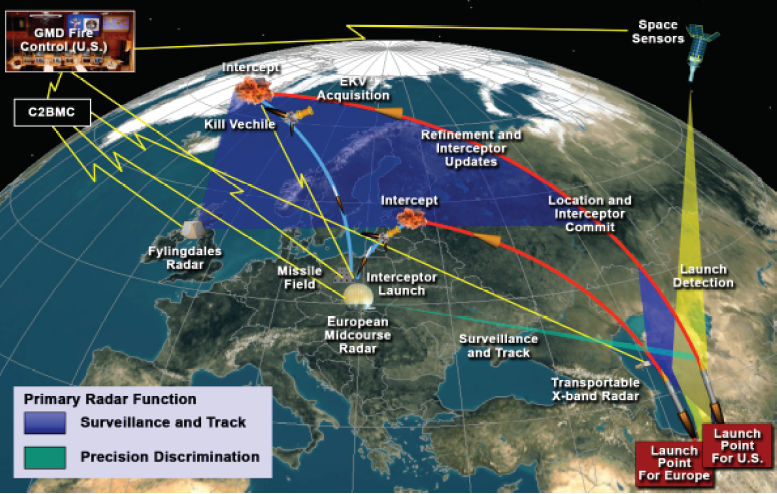
(图:俄北约导弹防御图片来源:E-International Relations)
***
在1523天的战争中,我们从前线录制了250多段视频,并撰写了1500多篇文章。
我们尽最大努力从几乎没有媒体敢进入的地带进行真实的一手报道,这意味着我们长期生活在杀伤区。我们承担风险,但若没有你们宝贵的支持,我们的声音将无从传出。若没有远方的勇敢的人们转发分享我们的文章,它们将无人问津。我们的报道会被忽视,我们的努力将付诸流水。这里还有大量工作要做,周围的人们境况同样艰难。
我们正在更新筹款活动,感谢每一位加入我们、帮助修复俄罗斯破坏的人们。仅靠一家勇敢的报纸为我们每篇文章支付微薄稿酬以维持前线报道极为困难。因此,我们感激所有支持并信任我们使命的善良人们。
哪怕是小小的捐助也有助益。
我们会持续为你们更新事态进展。
谢谢大家,亲爱的朋友们??
如果你认可我们的工作,请支持我们??
在过去三年里,自乌克兰大规模战争爆发以来,作为自由撰稿人,我们一直在乌克兰战争的所有前线进行报道
Paypal捐款链接:https://www.paypal.com/pools/c/9oqgW5u5oE