

Stolen Ukrainian Grain: From Russias Plunder to Israels Port
By:Giorgio Provinciali
Live from Ukraine ??
Mykolaiv For twelve years, Moscow has bombed and plundered Ukraines grain stores, mined Black Sea shipping routes, and attempted to replace Ukraines legitimate trade with smuggling of what it has stolen.
Anyone who knowingly buys it or chooses not to know is not buying grain: hes complicit in a crime.
Shifting the focus of the Panormitis affair the ship Kyivclaimsis transporting grain stolen from Ukrainian territories illegally occupied by the Russian Federation (TOT) to Haifa Kyiv hasrequestedlegal assistance from Israel in a letteraddressedto the Foreign Ministry and the Justice Ministry in Tel Aviv. Ukrainian lawyers have alsoforwardedthe request to the Israeli Attorney Generals Office. Linking the suspicions to a second shipment believed to be grain stolen from the TOTs, the Ukrainian commander, Ruslan Kravchenko, hasaskedIsrael to seize the Panormitis and its cargo, search the vessel, obtain documentation, collect grain samples, and question the crew.
For its part, Israel hascriticizedthe public handling of the matter,callingit Twitter diplomacy, but has also acknowledged that the Ukrainian request is under review by the competent authorities.
The legal crux is plunder. If that grain truly comes from Crimea, Kherson, Zaporizhzhia, Donetsk, Luhansk, or other TOTs, Moscow cannot transform it into Russian goods simply by seizing it, nationalizing it, purchasing it under duress, or moving it through controlled ports and operators. International law does not recognize the occupiers sovereign title to the goods of the occupied territory. The Hague Regulations formallyprohibitpillage; the Fourth Geneva Convention and customary international humanitarian lawconfirmthis prohibition; and the Rome Statuteclassifiesit as a war crime when committed in the context of an armed conflict (ICRC, 1907/1949).
From this perspective, the Panormitis affair becomes a test, a testing ground for what remains of international law, to see whether it is still capable of recognizing looting when it materializes not with a tank but with an orderly hold, a commercial flag, and apparently regular documents.
The case takes on even greater force when read in the context of the broaderbattle for the Black Sea. From July 2022 to July 2023, the UN- and Turkish-mediated Black Sea Grain Initiativeenabledthe export of nearly 33 million tons of Ukrainian grain and other food products through the ports of Odesa, Chornomorsk, and Pivdenny.
On July 17, 2023, however, Moscowwithdrewfrom the agreement, attempting to reinstate a de facto blockade on Ukrainian exports and to use food as a global strategic lever. From that moment on, Ukraine forciblyreopenedits export routes,winningthe naval battle in the Black Sea andinflictingan unprecedented defeat on the Russian navy.For the first time in history, a country without its own navy had prevailed in a naval engagement of that magnitude, sinking a nuclear-armed power.
Since then, Kyiv has exported its grain through a corridor reconquered by the force of law and technology. At the same time,Moscow has never stopped trying to sell the economic product of its occupation as its own. By imposing its technological dominance for the first time,Kyiv transformed its naval inferiority into interdiction superiority, initiating the paradigm shift that as Idescribedyesterday in these pages would restore the strategic initiative to Kyiv two years later.
If Russias strategic paradox stems from a nuclear power attempting to do two things at once, such as blocking legal Ukrainian wheat and selling the stolen grain as its own, Israels problem is twofold:a state that rightly demands respect for international law in other theaters cannot afford to appear lenient when the goods arrive from territories illegally occupied by another power.
Domestically, Israeli criminal lawcoversthe receipt or handling of goods knowing they were stolen or obtained through crime; the provision specificallyaddressesanyone who receives, controls, or handles goods knowing they were stolen or obtained through a felony.
An importer can claim ignorance of a shipments illicit origin only until he receives concrete, repeated, and qualified signals. After diplomatic notifications, judicial requests, and identification of the vessel, cargo, and route, the due diligence threshold changes.
Its no longer enough to say we didnt know. Its necessary to demonstrate that checks were carried out.
In international trade, especially when dealing with goods originating from occupied areas, good faith doesnt matter.
The issue isnt limited to Israeli importers. It can affect insurers, brokers, shipowners, trading companies, banks, ports, inspectors, intermediaries, and customs authorities.
If a party knows or cannot reasonably be unaware that they are dealing in goods originating from an international crime, the nature of the transaction changes: from trade to monetization of the loot.
And the loot, in the case of Ukrainian wheat, is not an agricultural detail but part of a system that finances the Russian occupation and war.
The principle of non-recognition and non-assistance also applies:states must not recognize as legitimate a situation created by a serious violation of international law, nor provide assistance in maintaining it.
The European response must be read in this light. The EU has alreadyintroducedmeasures against vessels involved in transporting stolen Ukrainian wheat, as well asagainstsegments of the Russian shadow fleet. Israel is not automatically bound by EU sanctions, but Israeli individuals and legal entities could become targets of restrictive measures if Brussels believes they have helped Moscow circumvent the sanctions regime or monetize products stolen from TOTs.
Therefore, Israel cannot treat the case as a diplomatic dispute.International law is expected to take a stand, reminding us of its existence.
In 1.526 days of war,we recorded over 250 videos from ground zero and wrote more than 1,500 articles.
We are doing our best to provide genuine, first-hand reports from zones where almost no press dares to go. This means living in a kill zone constantly. We take the risk, but without your invaluable support, our voices would remain unheard and silent. Without brave people sharing our articles from afar, they would remain unread. Our reports would go unseen, and our efforts would be lost. Theres still a lot of work to do here, as the people around us are also in no better situation.
Were renewing ourfundraising campaignand thanking everyone who joins us in helping to restore what Russia is destroying. Moving forward with only a small reimbursement for each article from a brave newspaper that believes in us is extremely challenging. Thats why we are grateful to all the kind people who support us and trust in our mission.
Even a small donation helps.
Well keep you updated on developments.
Thank you all, dear friends ??
被盗的乌克兰粮食:从俄罗斯的掠夺到以色列的港口
作者:Giorgio Provinciali
翻译:旺财球球
乌克兰前线报道??
尼古拉耶夫十二年来,莫斯科轰炸并掠夺乌克兰的粮仓,在黑海航道布设水雷,并试图以走私其所窃取之物来取代乌克兰的合法贸易。
任何明知而购买这些粮食,或选择视而不见的人,都不是在买粮食:他们是在共犯一桩罪行。
帕诺尔米蒂斯事件中基辅声称该船正在将从俄罗斯联邦非法占领的乌克兰领土(TOT)窃取的粮食运往海法基辅已向驻特拉维夫的外交部与司法部致函请求法律协助。乌克兰律师也已将该请求转交以色列总检察长办公室。将该船与与第二批被认为来自TOT的被盗粮食联系起来,乌克兰指挥官鲁斯兰克拉夫琴科请求以色列扣押帕诺尔米蒂斯号及其货物、搜查该船、获取文件、采集粮样并讯问船员。
以色列方面批评了公开处置此事的方式,称其为推特外交,但也承认乌克兰的请求正由主管当局审查。
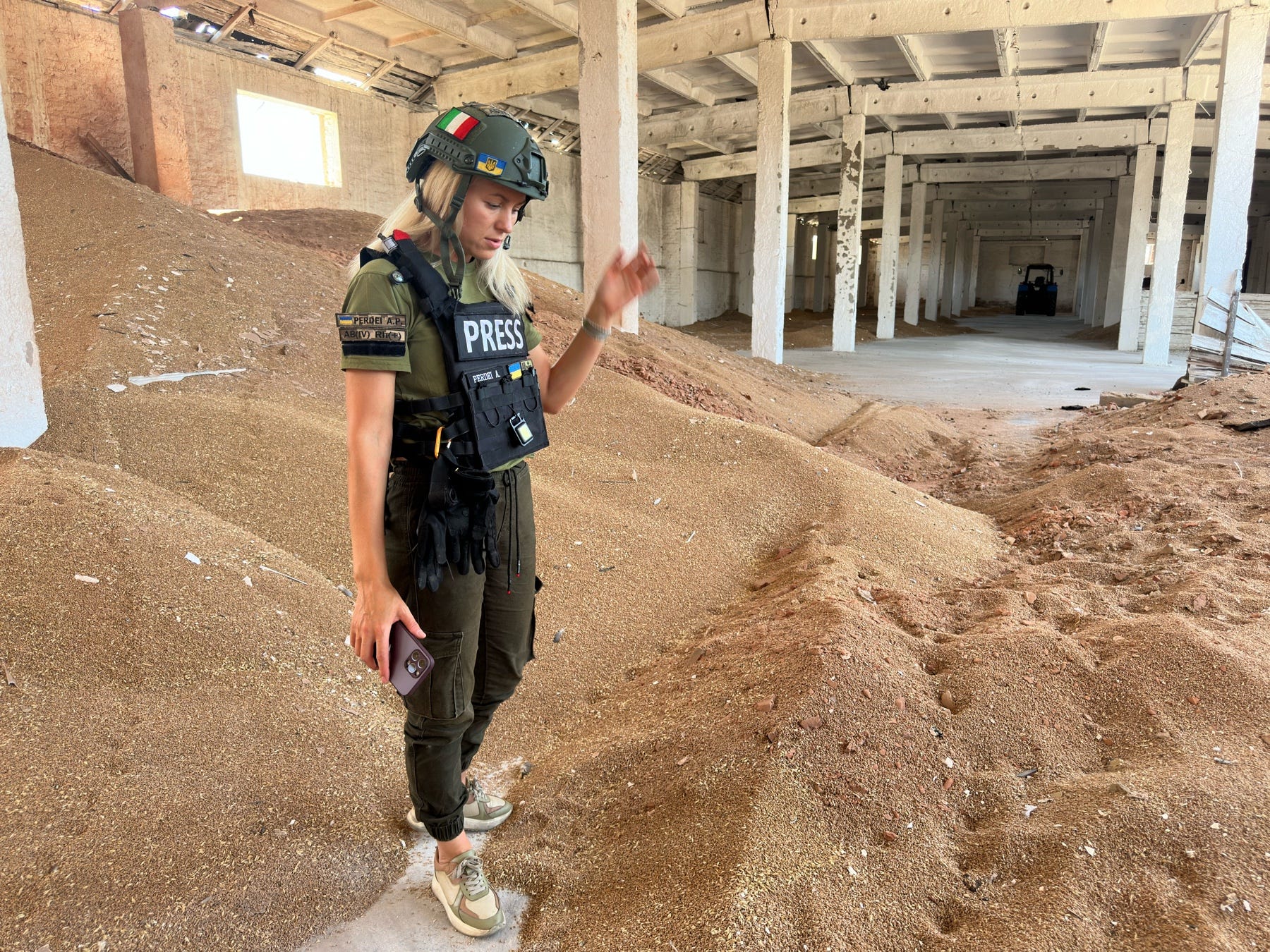
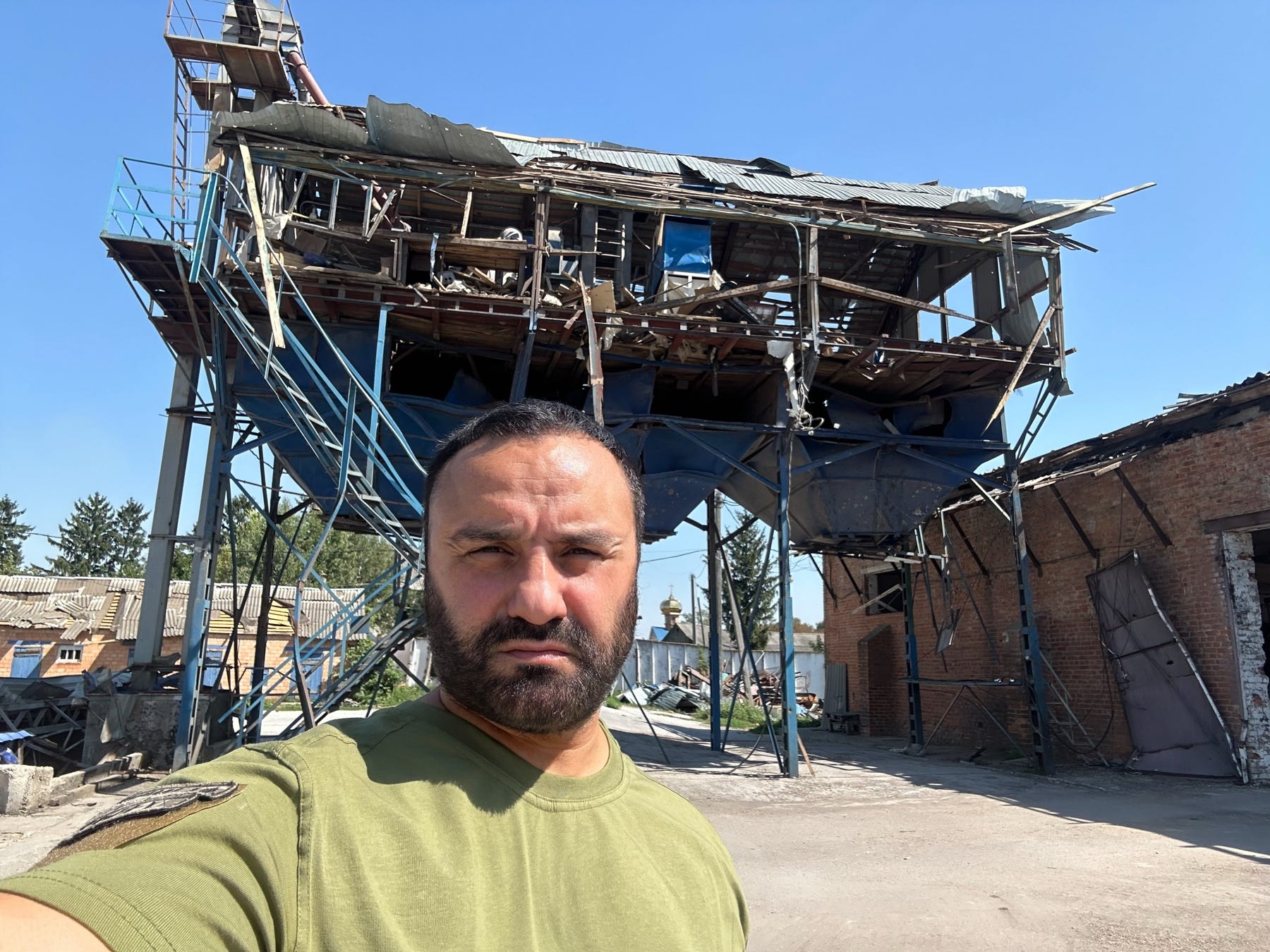
(图:Alla与我在乌克兰基恩德拉蒂夫卡被俄罗斯联邦摧毁的一个粮食集散地报道版权所有,Giorgio Provinciali)
(视频:Alla与我在乌克兰基恩德拉蒂夫卡被俄罗斯联邦摧毁的一个粮食集散地报道版权所有,Giorgio Provinciali)
该案法律焦点在于掠夺。如果那些粮食确来自克里米亚、赫尔松、扎波罗热、顿涅茨克、卢甘斯克或其他被占领土,莫斯科不能仅凭没收、国有化、在胁迫下购买,或通过受控港口和运营商搬运,就将其转化为俄罗斯商品。
国际法不承认占领者对被占领土财物的主权所有权。《海牙条例》明确禁止掠夺;《日内瓦第四公约》及国际人道法习惯规则也对该项禁令予以确认;而《罗马规约》将其列为在武装冲突背景下构成的战争罪(国际红十字会,1907/1949)。
从这个角度看,帕诺尔米蒂斯事件成为对国际法剩余效力的试金石以检验国际法是否仍能识别掠夺,即便这种掠夺不以坦克为形、而以整齐的仓舱、商船旗帜与表面合法文件出现。
将此案置于更广泛的黑海博弈的背景下,则其意义更加凸显。自2022年7月至2023年7月,经联合国与土耳其调解的黑海粮食倡议,使近3300万吨乌克兰粮食及其他食品通过敖德萨、契尔诺莫尔斯克与皮夫登尼港出口。
(视频:我在第聂伯拍摄的影像版权所有,Giorgio Provinciali)
然而,2023年7月17日,莫斯科退出该协议,试图恢复对乌克兰出口的事实性封锁,并将粮食作为全球战略杠杆。从那时起,乌克兰强行重开了出口通道,在黑海赢得海上战斗并给俄罗斯海军以史无前例的打击。历史上首次,一个没有自己海军的国家在如此规模的海战中获胜,击退了一个拥有核武的强权。
自那时以来,基辅通过以法律与技术之力夺回的通道出口粮食。与此同时,莫斯科从未停止试图将其在占领地夺取所得的经济产品作为己有出售。基辅首次确立技术优势,将其海上劣势转化为拦截优势,引发范式转变,正如我昨日在本栏所述、这一转变在两年后使基辅重新掌握战略主动权。
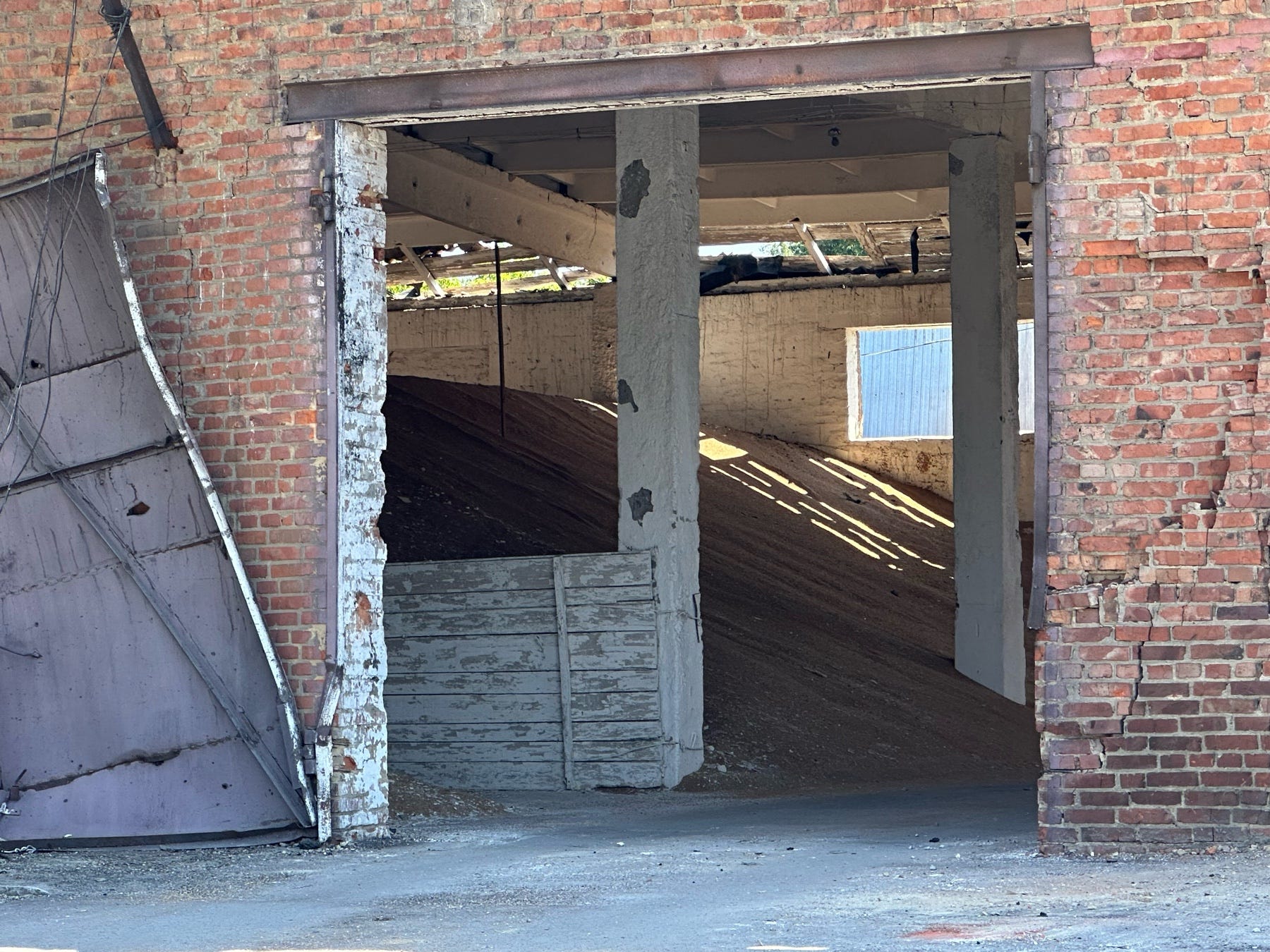
(图:Alla与我在乌克兰霍廷一个被俄罗斯联邦摧毁的乌克兰粮食集散地报道版权所有,Giorgio Provinciali)
如果俄罗斯的战略悖论来自一个核大国试图同时做两件事封锁合法的乌克兰小麦出口并把被盗粮食当作自己的出售,那么以色列面临的问题则是双重的:一个在其他战场上合理要求尊重国际法的国家,在面对来自他国非法占领地区的货物时,不能显得宽容。
在国内层面,以色列刑法涵盖明知货物为赃物或通过犯罪获得而收受或处理的行为;该条款专门针对任何明知其为赃物或通过重罪获得却仍接收、控制或处理相关物品的人。
进口商只有在收到具体、反复且有权威的信号前,才能主张对货物非法来源不知情。在经历外交通知、司法请求并确认涉案船舶、货物与航线之后,尽职调查标准发生变化。
仅仅说我们不知道已不再足够,必须证明已进行相关核查。
在国际贸易中,尤其是涉及来自被占地区的货物时,诚信并不能免除责任。
(视频:Alla与我在乌克兰东南前线拍摄的影像版权所有,Giorgio Provinciali
问题并不仅限于以色列进口商。它可能影响保险人、经纪人、船东、贸易公司、银行、港口、检验员、中介及海关机构。
若一方知情,或在合理判断下不可能不知情,其所交易的货物源自国际性犯罪,则交易性质发生变化:从贸易转为对掠夺所得的变现。
而在乌克兰小麦的案例中,这些赃物并非普通农业产品,而是资助俄罗斯占领与战争体系的组成部分。
不承认与不协助原则亦同样适用:国家不得承认由严重违反国际法而形成的局势为合法,也不得为维持该局势提供协助。
由此应解读欧洲的回应。欧盟已对参与运输被盗乌克兰小麦的船只以及俄罗斯影子船队的采取了措施。以色列并非自动受欧盟制裁约束,但若布鲁塞尔认为以色列个人或实体帮助莫斯科规避制裁或变现从TOT的被盗产品,相关主体可能成为限制措施的目标。
因此,以色列不能将此案简单视为一场外交争端。国际法要发挥效力,以提醒世人其仍然存在。
(图:Alla与我在乌克兰苏梅一所被俄罗斯联邦摧毁的乌克兰粮食集散地报道版权所有,Giorgio Provinciali)
***
在1526天的战争中,我们从前线录制了250多段视频,并撰写了1500多篇文章。
我们尽最大努力从几乎没有媒体敢进入的地带进行真实的一手报道,这意味着我们长期生活在杀伤区。我们承担风险,但若没有你们宝贵的支持,我们的声音将无从传出。若没有远方的勇敢的人们转发分享我们的文章,它们将无人问津。我们的报道会被忽视,我们的努力将付诸流水。这里还有大量工作要做,周围的人们境况同样艰难。
我们正在更新筹款活动,感谢每一位加入我们、帮助修复俄罗斯破坏的人们。仅靠一家勇敢的报纸为我们每篇文章支付微薄稿酬以维持前线报道极为困难。因此,我们感激所有支持并信任我们使命的善良人们。
哪怕是小小的捐助也有助益。
我们会持续为你们更新事态进展。
谢谢大家,亲爱的朋友们??
如果你认可我们的工作,请支持我们??
在过去三年里,自乌克兰大规模战争爆发以来,作为自由撰稿人,我们一直在乌克兰战争的所有前线进行报道
Paypal捐款链接:https://www.paypal.com/pools/c/9oqgW5u5oE