风萧萧_Frank
以文会友


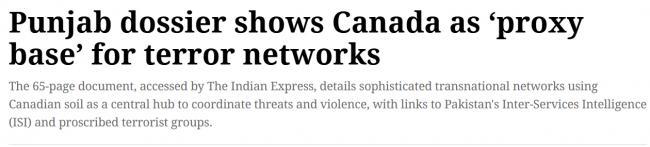
Apr 6, 2026, Punjab dossier shows Canada as 'proxy base' for terror networks
The 65-page document, accessed by The Indian Express, details sophisticated transnational networks using Canadian soil as a central hub to coordinate threats and violence, with links to Pakistan's Inter-Services Intelligence (ISI) and proscribed terrorist groups.
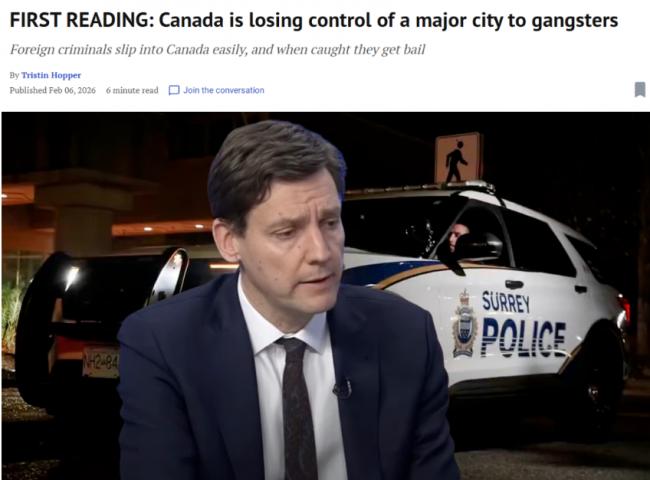
Feb 06, 2026 FIRST READING: Canada is losing control of a major city to gangsters
Foreign criminals slip into Canada easily, and when caught they get bail
| 加拿大成跨国恐怖网络"避风港+指挥中枢" | |
| www.bcbay.com | 2026-04-06 12:29:35 温哥华港湾 | |
温哥华港湾(BCbay.com)贝壳报道:据印度快报(Indian Express)获取的一份旁遮普警方机密报告显示,来自多个国家的犯罪分子正日益利用加拿大作为“代理行动基地”和“通信指挥中心”,策划针对旁遮普的敲诈勒索、定点暗杀及恐怖活动。
这份长达65页的报告描绘了一个以加拿大为核心枢纽的复杂跨国网络,相关活动不仅涉及印度境内犯罪,还延伸至加拿大本土暴力事件,并与巴基斯坦三军情报局(ISI)及多个被取缔的恐怖组织存在关联。
Punjab dossier shows Canada as 'proxy base'
加拿大被指为“指挥中枢”
报告指出,一些身处加拿大的关键人员——包括Prabhdeep Singh、Balwinder Singh、Nishan Singh Chorian以及Adesh Jamarai——被指充当敲诈电话、威胁信息和恐吓行动的协调者。
这些人员通过加拿大境内网络发号施令,其行动不仅影响印度,还涉及加拿大本地的枪击事件和定点袭击,显示出跨国犯罪威胁的升级。
尽管旁遮普与加拿大长期通过旁遮普裔侨民保持紧密联系,报告警告称,这些联系正被有组织犯罪集团“系统性利用”,并从传统犯罪演变为高度组织化、与恐怖活动相关的网络,使加拿大不仅成为避风港,也成为实际的行动指挥中心。
跨国敲诈:从印度蔓延至加拿大
报告称,印度境内的商人、小企业主及演艺人员正频繁接到来自加拿大的匿名电话、网络电话(VoIP)及加密平台发出的勒索威胁。
威胁内容包括枪击、手榴弹袭击及暗杀,一旦拒绝支付即付诸实施。报告列举的案例包括:
* 阿博哈尔(Abohar)一名商人遭枪杀
* 古尔达斯普尔一名药店老板因500万卢比勒索被杀
* 拉纳·巴拉乔里亚(Rana Balachauria)遇害
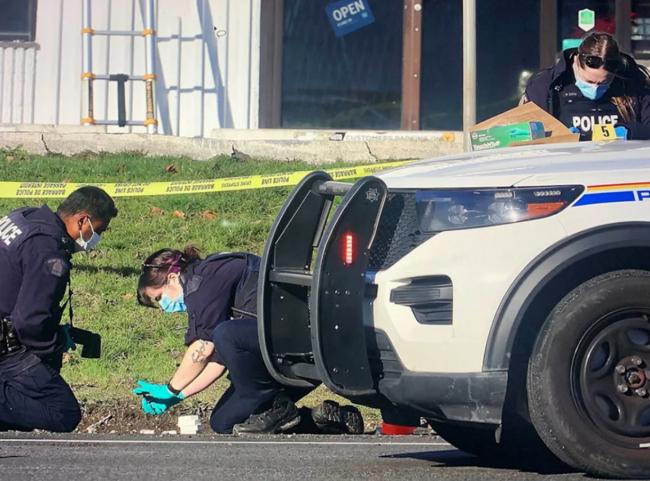
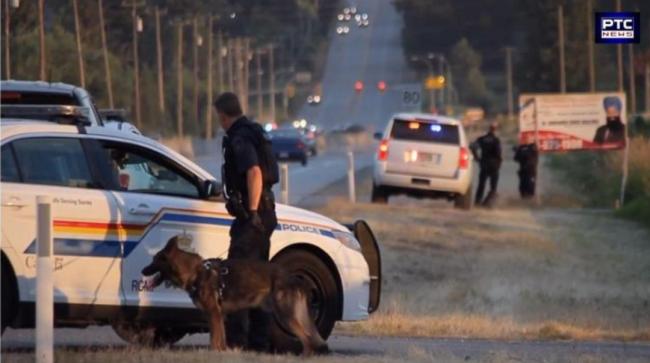
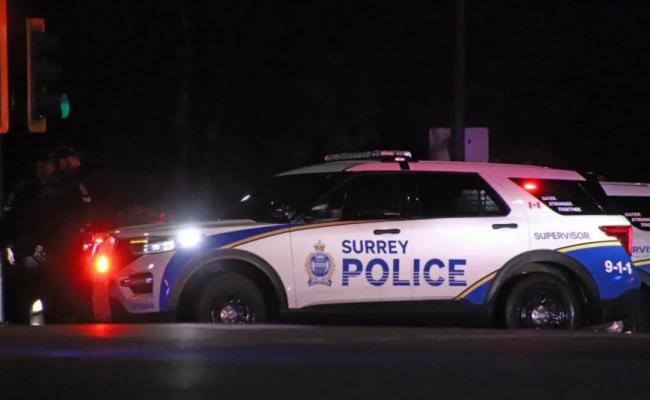
与此同时,这类犯罪模式也在加拿大本土出现。报告指出,大温素里市曾在2026年1月因相关案件宣布进入紧急状态:2024年共发生44起案件(其中27起为枪击),而2026年1月中旬又新增超过35起。《国家邮报》发表评论文章,直言大温素里市已经被黑帮势力掌控!
阿尔伯塔省埃德蒙顿自2023年10月以来也报告至少18起类似案件,受害者多为与印度有关联的旁遮普裔人士,作案手法与印度国内案件高度一致。
多名人员被列为恐怖分子
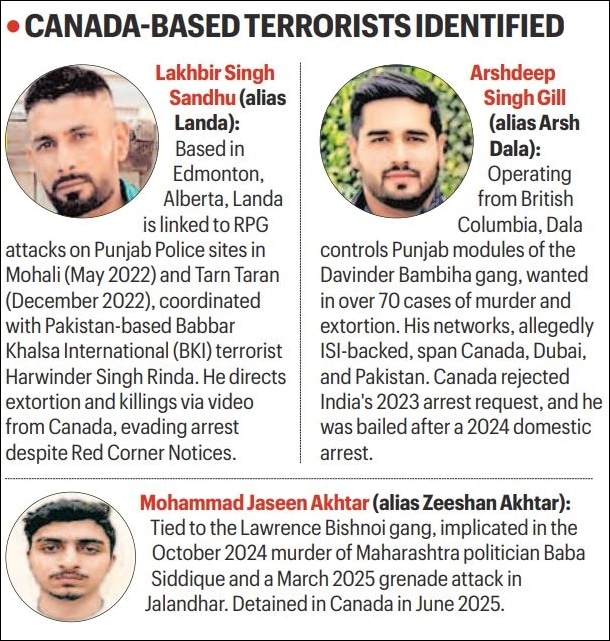
报告点名多名在加拿大活动的关键人物,包括Lakhbir Singh Sandhu、Arsh Dalla以及Zeeshan Akhtar,这些人已被印度依据非法活动(预防)法列为恐怖分子。
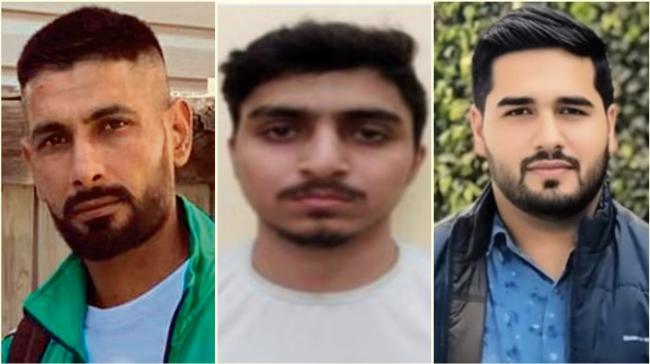
此外,报告还列出另外21名在加拿大活动的相关人员,包括:
* Parminder Singh Khela
* Jahal Singh
* Ramandeep Singh
* Gaurav Gill
* Manpreet Singh
* Prabhjot Singh Nat
* Karambeer Singh Bhatt
* Harupinder Singh
* Jatinder Singh
* Ramandeep Singh
* Simranjit Singh
* Charanjit Singh 等。
资金与武器链条:涉及地下钱庄与走私武器
报告指出,这些犯罪所得通过“地下钱庄”系统转移,并用于购买来自巴基斯坦走私的武器,包括火箭推进榴弹(RPG)、简易爆炸装置(IED)及枪支。
相关资金被用于人员招募、武器走私以及针对印度基础设施的攻击。其中,2022年一起RPG袭击事件被认为体现出巴基斯坦三军情报局(ISI)的参与。
执法与司法合作受阻
报告还指出,印度近年来已多次向加拿大提出引渡请求,涉及多名与有组织犯罪及恐怖活动相关的人员。
然而,许多请求至今未获解决。针对部分人员发布的国际刑警组织红色通缉令也未促成逮捕。此外,涉及住址核实、资金流向及资产调查的司法协助请求(MLAT)同样进展缓慢。
报告认为,犯罪证据的严重性与执法进展之间存在明显落差,使相关人员得以在缺乏法律后果的情况下继续活动。
呼吁加强国际协作应对跨国威胁
报告最后强调,随着这些犯罪团伙在加拿大的运作日益复杂,并持续利用司法管辖差异、移民体系及法律保护漏洞,相关风险正在上升。
在此背景下,报告呼吁各方采取更全面、协调的国际应对措施,以遏制跨国犯罪与恐怖网络的扩散。
Punjab dossier shows Canada as 'proxy base' for terror networks
The 65-page document, accessed by The Indian Express, details sophisticated transnational networks using Canadian soil as a central hub to coordinate threats and violence, with links to Pakistan's Inter-Services Intelligence (ISI) and proscribed terrorist groups.
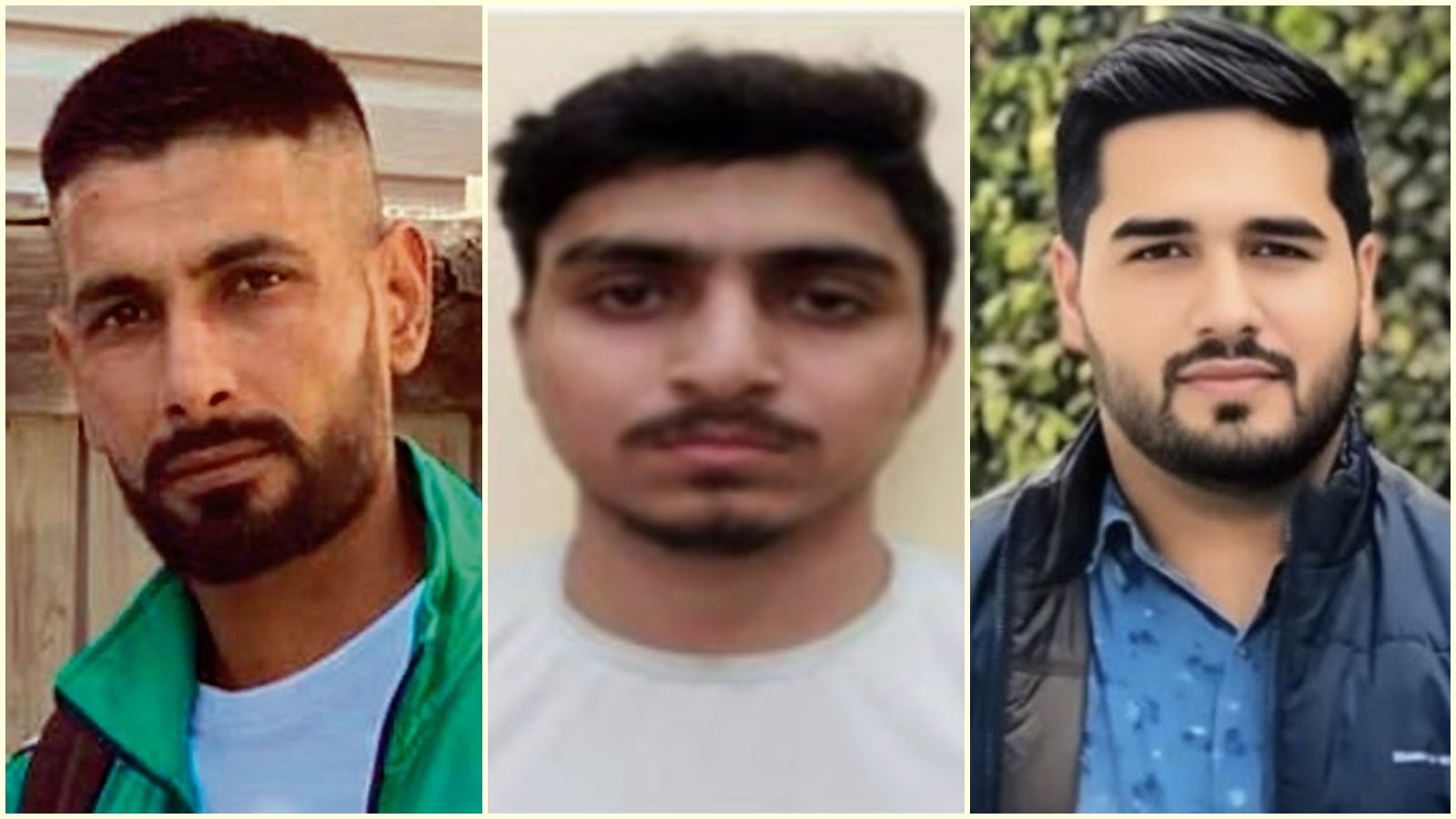 Canada-based terrorists identified: Lakhbir Singh Sandhu (alias Landa); Arshdeep Singh Gill (alias Arsh Dala); Mohammad Jaseen Akhtar (alias Zeeshan Akhtar).
A confidential dossier prepared by Punjab Police has exposed how criminal elements from various countries are increasingly exploiting Canada as a “proxy operational base” and “communication control room” for orchestrating extortion rackets, targeted killings, and terrorism aimed at Punjab.
The 65-page document, accessed by The Indian Express, details sophisticated transnational networks using Canadian soil as a central hub to coordinate threats and violence, with links to Pakistan’s Inter-Services Intelligence (ISI) and proscribed terrorist groups.
The report highlights that Canada-based operatives, including Prabhdeep Singh (alias Prabh Dasuwal), Balwinder Singh (alias Doni), Nishan Singh Jourian, and Adesh Jamarai, function as facilitators for extortion calls, intimidation campaigns, and threat messaging. Operating through associates in Canada, they direct activities that extend beyond India, including firing incidents and targeted attempts within Canada itself, underscoring the growing transnational threat.
While Punjab and Canada maintain strong historical, social, and cultural ties through the Punjabi diaspora, the dossier warns that these bonds have been “systematically exploited” by organised crime syndicates. These groups have evolved from conventional criminality into hardcore operations with terror linkages, using Canada not just as a safe haven but as an active command center.
Indian citizens, particularly small traders, shopkeepers, businessmen, and entertainers, face coordinated extortion demands via anonymous calls, VoIP, and encrypted platforms originating from Canada. Threats include shootings, grenade attacks, and assassinations, often carried out if demands are unmet. Examples cited include the murder of a businessman in Abohar, a chemist in Gurdaspur over a Rs 50 lakh demand, and the killing of Rana Balachauria.
The extortion wave has spilled into Canada, with cities like Surrey declaring an emergency in January 2026 after 44 cases in 2024 (including 27 shootings) and over 35 more by mid-January. Edmonton reported at least 18 incidents since October 2023, often targeting Punjabi diaspora members with Indian ties, mirroring tactics used against victims in India.
Prominent Canada-based figures identified include Lakhbir Singh Sandhu, Arsh Dala and Zeeshan Akhtar. They are designated terrorists under India’s Unlawful Activities (Prevention) Act (UAPA).
The dossier has also named 21 other Canada-based operatives. They are Parminder Singh Khaira (alias Pattu), Jahar Singh (alias Paras/Prince Chauhan), Ramandeep Singh (alias Raman Judge), Gaurav Gill (alias Gora), Manpreet Singh (Alias Manu Mahawa), Prabhjot Singh Natt (alias Prabh Sialka), Karanbir Singh Bath, Harrupinder Singh (alias Dipty), Jatinder Singh (alias Goldy Shahpuria), Ramandeep Singh (alias Chhotu/Raman Gill), Simranjit Singh (alias Danny) and Charanjit Singh (alias Rinku Bihla) among others.
The dossier further states that extortion funds are routed via hawala to procure weapons like RPGs, IEDs, and firearms smuggled from Pakistan. This supports recruitment, arms trafficking, and attacks on Indian infrastructure, with ISI facilitation evident in cases like the 2022 RPG strikes.
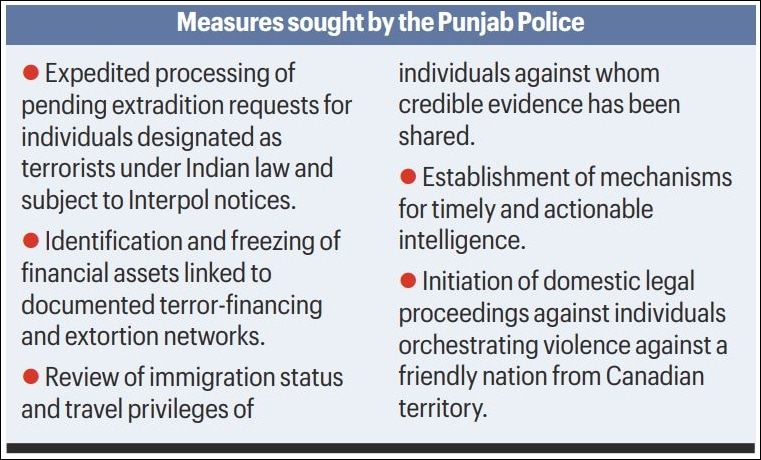
It mentions that India has submitted multiple extradition requests to Canada over the past several years in relation to individuals involved in organised crime and terrorism.
A significant number of these requests remain unresolved despite the seriousness of the offences involved. Similarly, Interpol Red Corner Notices issued against several designated terrorists have not resulted in arrests. In addition, Mutual Legal Assistance Treaty (MLAT) requests seeking verification of residential addresses, financial transactions, and property details of these individuals remain pending. T he gap between the gravity of documented criminal and terrorist activities and the limited progress on enforcement actions has created conditions in which such operatives continue to function without legal consequences, it adds.
The dossier says that given the increasing sophistication of the Canada based gangsters’ operational capabilities and their demonstrated ability to exploit jurisdictional gaps, immigration frameworks, and legal protections in host countries, there is a compelling need for comprehensive and collaborative countermeasures.
FIRST READING: Canada is losing control of a major city to gangsters
Foreign criminals slip into Canada easily, and when caught they get bail
Former Mountie Paul Dadwal would be placed in charge of a new community advisory committee to “close any gap between community members and police” in regards to frequent instances of B.C. businesses being shaken down for cash by gangsters.
In September, the federal government declared that the Lawrence Bishnoi gang — an organized crime group from India that has been linked to many of the alleged extortions — would henceforth be a designated terror entity. Last week, Public Safety Minister Gary Anandasangaree said he had deputized two RCMP helicopters to help stem the crisis.
“I’m hearing of people living in hotels and they’re footing the bill for themselves, or they’ve left the country,” he said.
Speaking of public trust in law enforcement, the Toronto Police just announced the details of a particularly cinematic instance of Canadian police corruption. Seven Toronto Police officers have been accused of running a criminal enterprise on the side, complete with alleged drug trafficking, murder plots (the photo above is from a police raid related to one such plot) and the handing over of police intelligence to organized crime.
It would be hard even for a premier to get this kind of access. When Canadian organizations such as the secessionist Alberta Prosperity Project boast of meeting with White House officials, they’re only ever meeting unnamed low-level functionaries. Jivani is probably managing it because of his friendship with Vance, which goes back to their law school days.
Nevertheless, the Carney government has dismissed the whole thing, and even the Conservative Party doesn’t seem too pleased about it. None of the party’s social media channels made any mention of the trip, nor did leader Pierre Poilievre.
Which is sort of a pattern with Jivani, who is still relatively new to the caucus and doesn’t really jibe with its usual system of lockstep messaging. Right at the start of the 46th Parliament, Jivani came out with a solo campaign to end the temporary foreign worker program, reportedly without prior approval from Tory higher-ups.

First Reading is a Canadian politics newsletter curated by the National Post’s own Tristin Hopper. To get an early version sent directly to your inbox, sign up here.